RNG Certification Timelines Shape Game Availability Across Platforms
Theo Werner · Aug 11, 2026
RNG Certification Timelines Shape Game Availability Across Platforms
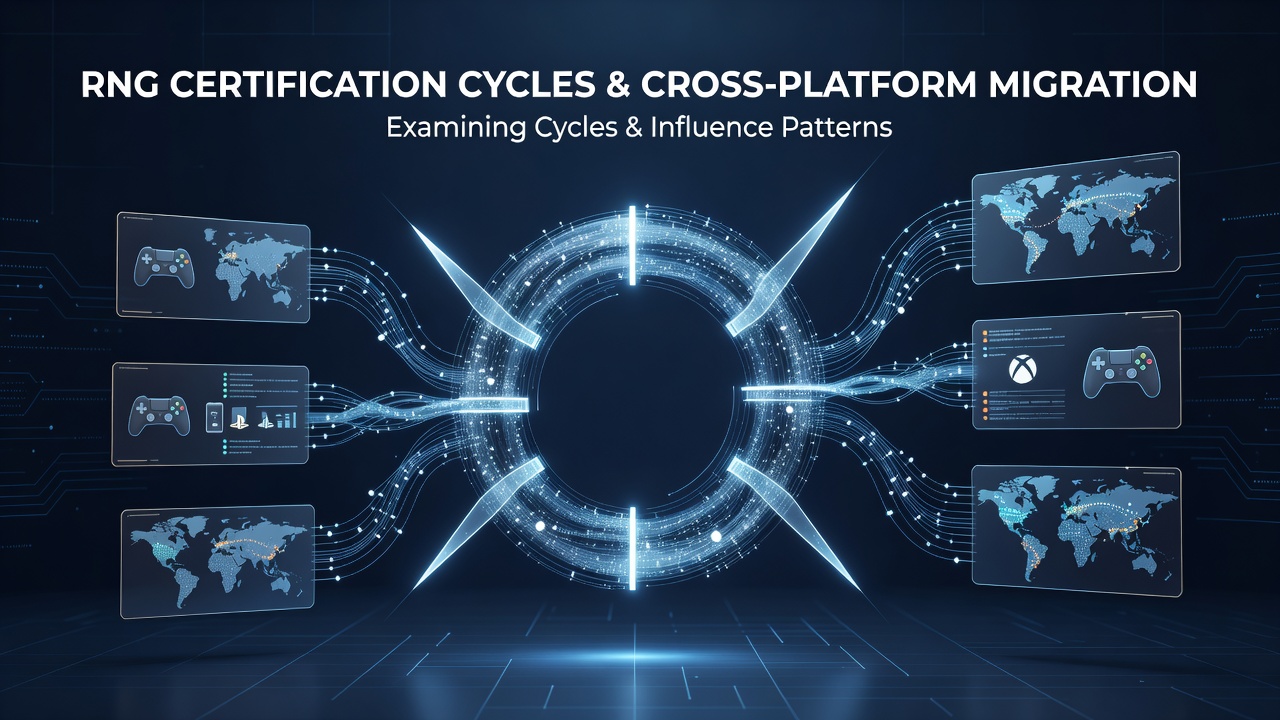
Random number generator certification follows structured timelines that operators must meet before deploying or relocating titles, and these schedules directly affect where specific games appear across desktop, mobile, and multi-operator environments. Laboratories such as Gaming Laboratories International conduct initial evaluations plus periodic re-audits that range from quarterly checks in high-volume jurisdictions to annual reviews elsewhere, creating predictable windows when providers decide whether to maintain, update, or move content.
Standard Certification Intervals and Renewal Triggers
Most regulatory frameworks require fresh RNG testing after any code change, hardware upgrade, or when cumulative transaction volume hits predefined thresholds, while routine renewals occur at fixed intervals regardless of modifications. Data compiled by independent testing bodies shows that roughly 65 percent of North American operators face six-month re-certification cycles, whereas European and Australian markets often align reviews with twelve-month marks unless software alterations intervene. These staggered deadlines mean providers schedule development sprints around the earliest upcoming audit date, which in turn influences release calendars for new titles and updates to existing ones.
Technical Components Reviewed During Audits
Examiners verify entropy sources, distribution uniformity, and resistance to prediction attacks through statistical suites that include chi-square, runs, and serial correlation tests, and they also inspect the integration layer that connects the RNG to game logic and payout tables. When any of these elements fails re-evaluation, the entire title must pause until corrections pass, forcing operators to either withdraw the game from certain platforms or accelerate migration to jurisdictions with later renewal dates. One documented case from a major content supplier illustrated how a single failed correlation test in March 2025 delayed cross-platform rollout by eleven weeks while the studio reworked the seeding algorithm.
How Renewal Windows Drive Migration Decisions
Operators monitor upcoming certification deadlines across different licensing regions and shift titles toward platforms whose next audit falls furthest in the future, thereby extending revenue windows before another round of testing costs accrue. This pattern becomes visible in aggregated deployment logs where titles certified under shorter cycles appear on secondary platforms within 30 to 45 days of primary launch, while games under longer cycles remain on flagship sites for full quarters. Migration also occurs when a provider bundles multiple titles for a single audit event, allowing simultaneous certification across desktop and mobile builds and reducing per-platform fees.
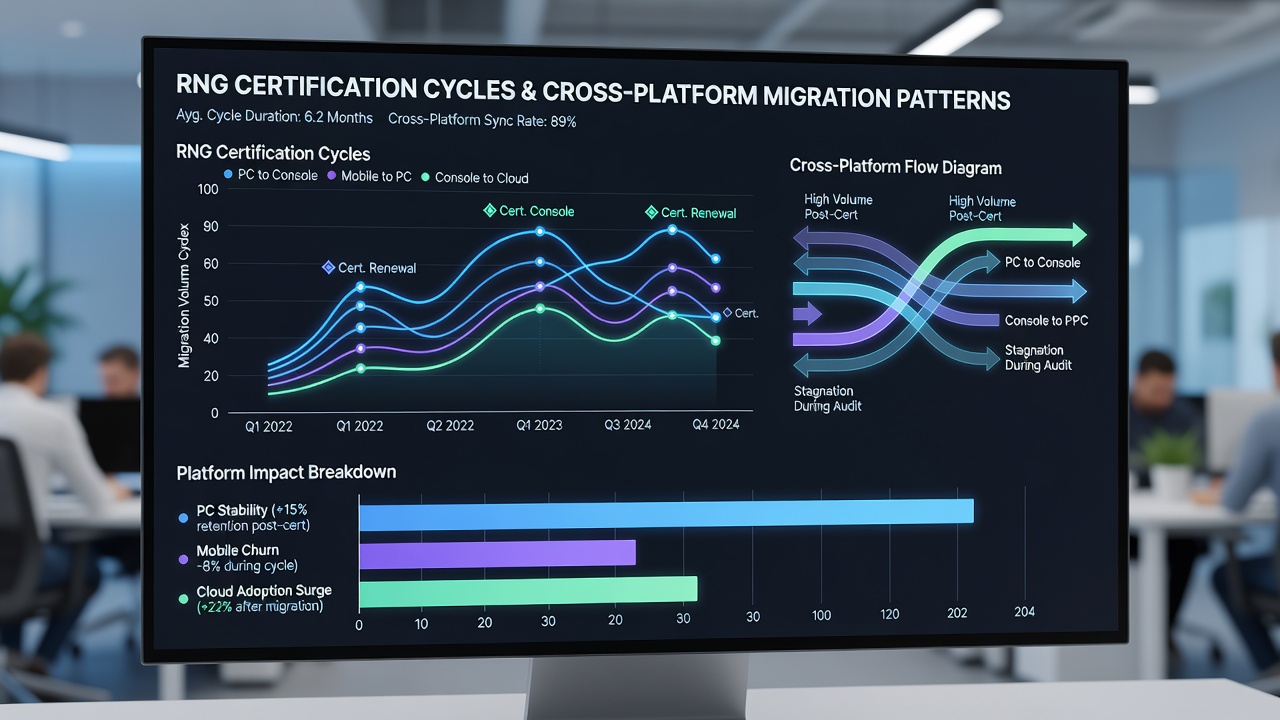
Figures released in August 2026 by the Nevada Gaming Control Board indicated that 42 percent of audited RNGs underwent at least one platform transfer within the preceding certification period, with the majority moving from regulated online systems to emerging mobile-only operators seeking pre-certified content. Such transfers require only delta submissions rather than full re-evaluations in most cases, shortening approval times from weeks to days and lowering associated expenses.
Regional Regulatory Variations and Their Effects
Jurisdictions maintain distinct renewal cadences that create arbitrage opportunities for providers who time migrations accordingly, and observers note that Canadian provincial frameworks often permit mutual recognition of GLI or iTech Labs reports, whereas certain U.S. tribal compacts demand additional local reviews even after international certification. A 2025 industry report prepared for the International Association of Gaming Regulators documented how operators leveraged these differences to sequence releases across three continents within a single twelve-month cycle, achieving earlier monetization on platforms with aligned audit calendars. When certification bodies update their test protocols, such as the introduction of enhanced cryptographic validation standards in early 2026, titles must clear the new criteria before any cross-border movement, temporarily slowing migration volumes until studios complete upgrades.
Provider and Operator Coordination Patterns
Content suppliers maintain internal calendars that align game updates with the strictest upcoming certification deadline among their active licensees, and they coordinate with multiple operators to batch submissions and share audit costs. This coordination reduces individual expenses while concentrating migration activity into narrow windows following successful batch approvals. Research published by the University of Nevada, Reno gaming studies group found that titles passing joint audits experienced 28 percent higher cross-platform adoption rates compared with those certified sequentially, because operators gained simultaneous access without staggered delays.
Future Outlook for Certification-Driven Migration
Emerging technologies such as cloud-based RNG services and blockchain-verified entropy sources may compress current audit timelines by enabling continuous monitoring instead of discrete renewal events, yet regulators in multiple regions continue to require periodic human-reviewed attestations. As these hybrid models gain traction, migration patterns will likely shift from reactive deadline chasing toward proactive deployment across platforms that share real-time certification feeds. Providers who adapt their development pipelines to accommodate both traditional cycles and continuous verification stand to accelerate content movement while maintaining compliance across diverse licensing landscapes.
Conclusion
RNG certification cycles establish recurring checkpoints that directly govern when and where games can operate across platforms, and the resulting migration patterns reflect calculated responses to audit schedules, regional rule variations, and cost-sharing opportunities. Data from multiple testing authorities and regulatory filings confirm that operators systematically relocate titles to align with favorable renewal windows, while providers coordinate batch submissions to optimize timelines. These mechanics continue to shape deployment strategies as certification frameworks evolve alongside new technologies and cross-jurisdictional agreements.